


- de
- en
Top 10 sights in Bavaria - a must for your travel planning

The top attractions in Bavaria include well-known highlights such as Neuschwanstein Castle, the Zugspitze, and Königssee, as well as cities like Munich and Bamberg. They range from natural landscapes and historic old towns to famous castles.
Bavaria is one of Germany’s most diverse regions, combining Alpine landscapes, lakes, historic cities, and cultural traditions within a small area.
“What should you see in Bavaria?”—this is a question many travelers ask themselves. This overview highlights the top attractions to help you plan your trip.
At a glance:
- Top highlights: Neuschwanstein Castle, Zugspitze, Königssee, Munich
- Diversity: Nature, castles, cities, and UNESCO World Heritage sites
- Regions: Allgäu, the Alps, Franconia, and Upper Bavaria
- Best time to visit: Year-round – depending on the region and activity
- Ideal for: Day trips and round trips from Munich

Day Trip to Neuschwanstein Castle and Linderhof
Explore:
Why is Bavaria so special?
Bavaria uniquely blends tradition and modernity. From majestic Alpine landscapes to charming towns—here you’ll find a cultural heritage that is cherished worldwide. What makes Bavaria truly special is its zest for life, which is evident in its traditional festivals, culinary specialties such as pretzels, white sausage, and beer, as well as its warm hospitality. Unique cultural traditions such as Oktoberfest and the festive Christmas markets attract visitors from all over the world. Bavaria is also home to impressive UNESCO World Heritage Sites that underscore the region’s historical significance. This combination makes Bavaria one of the most sought-after travel destinations in Germany.
What are the top 10 sights in Bavaria?
The following highlights are among the most popular attractions in Bavaria and provide a perfect overview to help you plan your trip:
Quick Overview:
- Neuschwanstein Castle: King Ludwig II’s fairytale castle in the Alps
- Zugspitze: Germany’s highest mountain with spectacular views
- Königssee: An emerald-green alpine lake in Berchtesgaden National Park
- Rothenburg ob der Tauber: A medieval old town with half-timbered houses
- Linderhof Palace: Ludwig II’s magnificent residence with gardens
- Berchtesgadener Land: A combination of nature, mountains, and history
- Chiemsee: Bavaria’s largest lake with Herrenchiemsee Palace
- Partnach Gorge: Impressive gorge with waterfalls
- Bamberg: UNESCO World Heritage Site with historic old town
- Munich: Vibrant state capital with culture and sights
1st Neuschwanstein Castle - a fairytale dream in the mountains
Neuschwanstein Castle in Füssen is one of Bavaria’s most famous landmarks and is regarded worldwide as a symbol of romance and fantasy. King Ludwig II began construction of this fairytale castle in 1869, inspired by medieval architecture and the operas of Richard Wagner. With its white towers soaring into the sky and its location on a rocky outcrop in the heart of the Allgäu Alps, the castle offers a scene straight out of a dream.
Neuschwanstein Castle is located about 120 kilometers southwest of Munich, making it a popular destination for day trips. According to the Bavarian Palace Administration, approximately 1.4 million people visit Neuschwanstein Castle each year, making it one of Bavaria’s most visited attractions. The interior rooms, including the magnificent Throne Room and the imposing bedroom, reflect Ludwig’s extravagant personality.
Tip: Combine your visit with a hike to the Marienbrücke, from where you can enjoy a spectacular view of the castle and the surrounding mountain landscape.
Best time to visit: In spring and summer, the trails around the castle are easily accessible. The Marienbrücke then offers a clear view of the castle and the surrounding landscape.
Relaxed exploration: We offer comfortable day trips from Munich to Bavaria’s most beautiful sights, allowing you to enjoy Neuschwanstein Castle without the stress and focus entirely on the impressive scenery and the castle itself.
2nd Zugspitze - The highest point in Germany
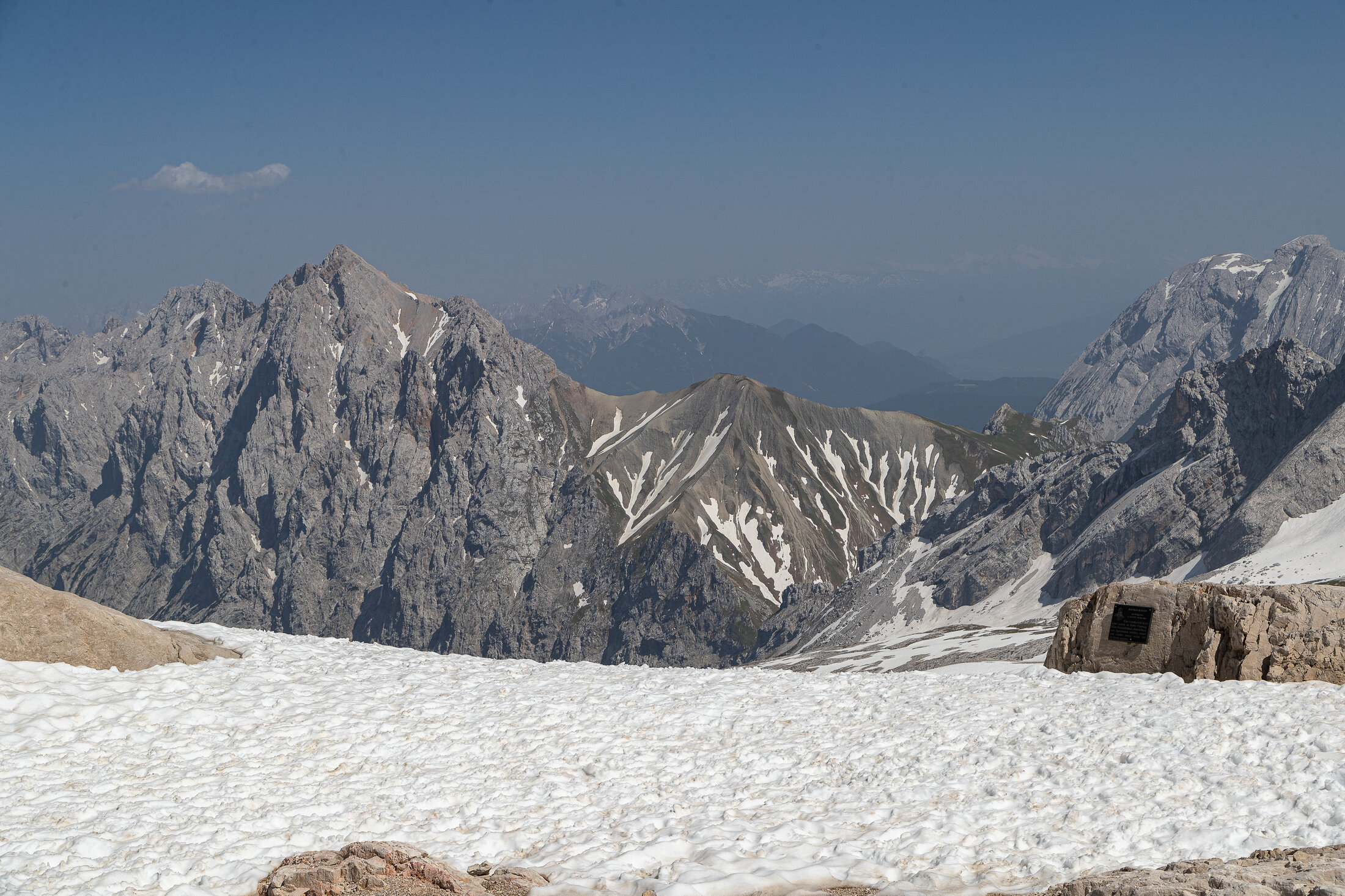
The Zugspitze is Germany’s highest mountain and one of Bavaria’s top attractions. At 2,962 meters, it offers an unparalleled view of the Alps and the surrounding valleys. Visitors can either take the cable car to the summit in comfort or embark on a challenging hike.
At the summit, you’ll find not only breathtaking views but also a world of experiences featuring a panoramic restaurant, a glacier, and various hiking trails.
Best time to visit: The Zugspitze is easily accessible in spring and summer. Due to its altitude, snow often still lies on the mountain, even while mild temperatures prevail in the valley.
3rd Königssee - natural wonder in Berchtesgaden
Königssee in Berchtesgaden National Park is a true gem among Bavaria’s attractions. The fjord-like, emerald-green lake, surrounded by steep cliffs, is one of the most beautiful places in Bavaria. The tranquility the lake exudes is particularly striking, as private boats are not permitted here.
A boat trip to the pilgrimage church of St. Bartholomä is an unforgettable experience. The church, with its red onion domes, is idyllically situated in front of the impressive Watzmann East Face, one of the highest rock faces in the Alps.
Tip: For hiking enthusiasts, the route to the Eiskapelle is a great option—a natural glacier below the Watzmann’s east face that remains even in summer.
Best time to visit: Boat trips run regularly from spring through fall. The peaceful setting and clear water make the lake a particularly enjoyable experience.
4th Rothenburg ob der Tauber - A journey into the Middle Ages
The Old Town of Rothenburg ob der Tauber is a real highlight for anyone who loves a medieval atmosphere. The perfectly preserved half-timbered houses and cobblestone streets transport you back to another era. Rothenburg is not only one of the most famous attractions in Bavaria, but is also renowned worldwide for its picturesque setting.
Particularly impressive is the city wall, which is almost completely preserved and offers a wonderful view of the city and the surrounding countryside. The market square, with its imposing town hall and St. James’s Church, is an ideal starting point for exploring the city.
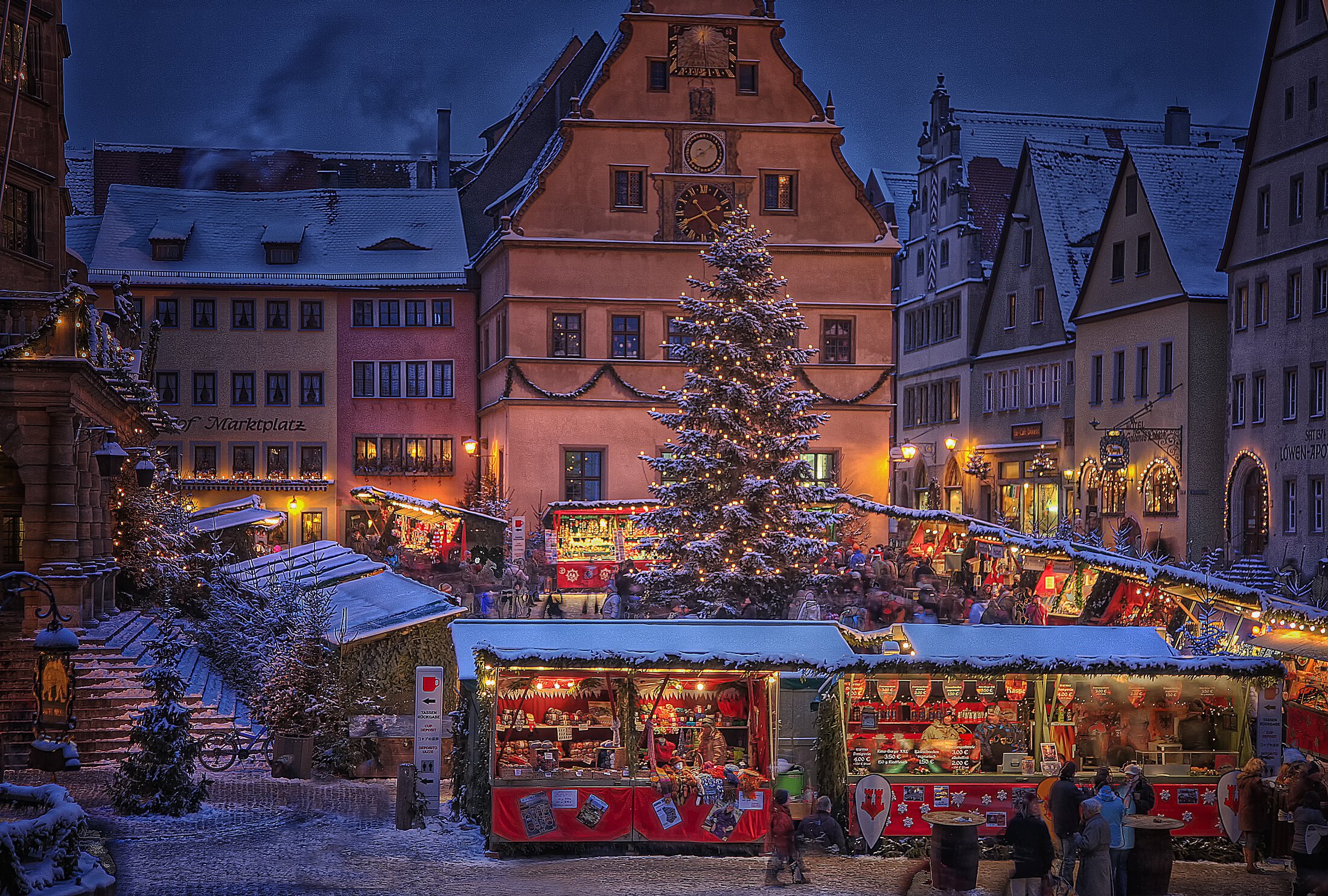
Highlight: At the German Christmas Museum, you’ll learn all about Christmas traditions—a must-see, not just during Advent.
Best time to visit: In spring and summer, the old town is easy to explore on foot. Many cafés and squares are open then.
Stress-free travel to Rothenburg: With our day trips from Munich, you can experience Rothenburg in a completely relaxed way.
5th Linderhof Palace - Ludwig's magnificent residence
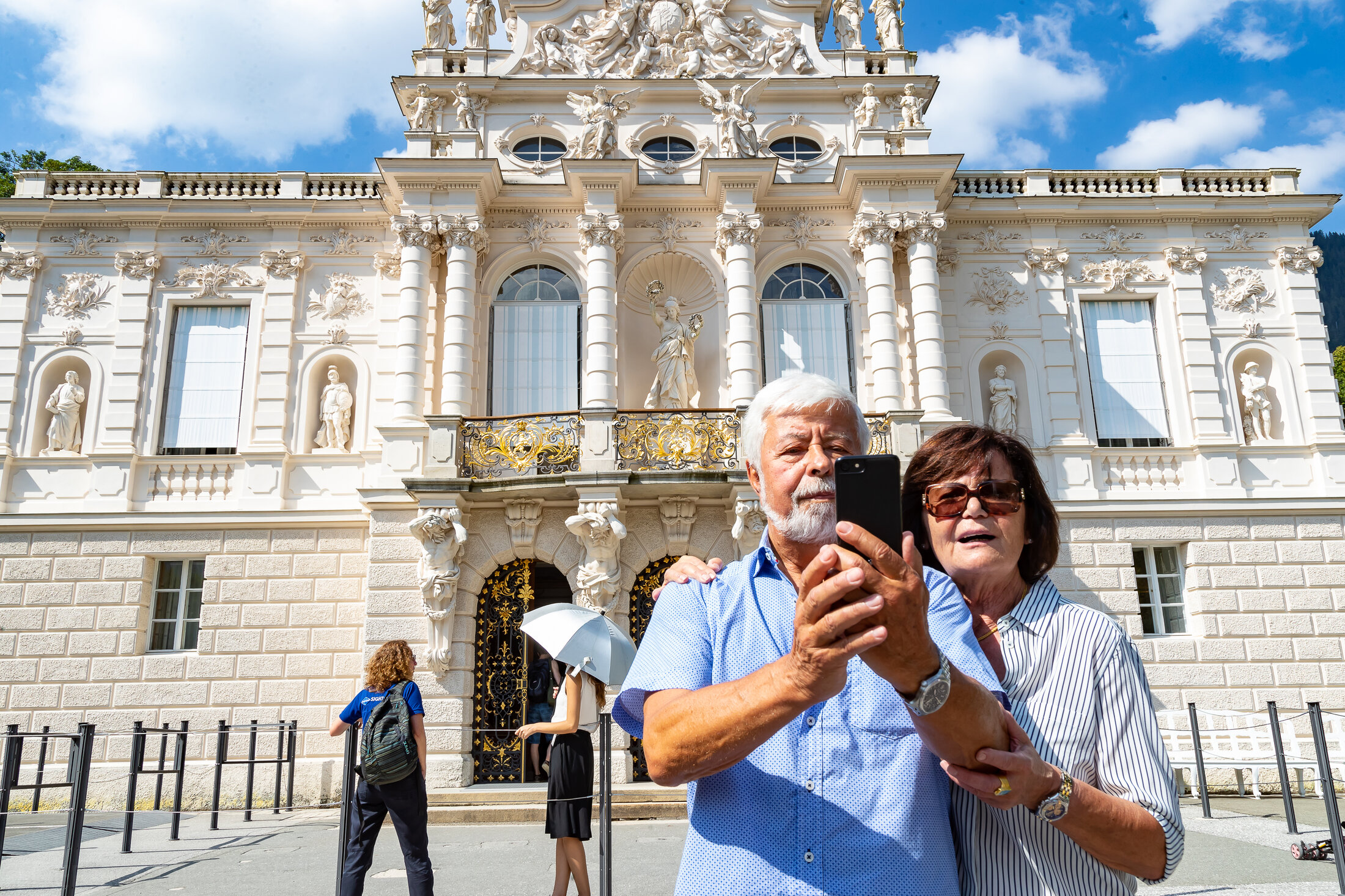
Linderhof Palace is the smallest of King Ludwig II’s three palaces, yet it impresses with its unparalleled splendor. Surrounded by a sprawling park featuring ornate fountains, a Moorish kiosk, and the famous Venus Grotto, this palace embodies Ludwig’s romantic dreams.
The interiors are adorned with gold, crystal chandeliers, and the finest fabrics, reflecting the eccentricity of the “Fairy-Tale King.” The Hall of Mirrors and the Audience Chamber, in particular, showcase Ludwig’s distinctive style.
Tip: Visit Linderhof Palace in the spring or summer when the gardens are in full bloom—a sight that enchants every visitor.
Plan your tour: We organize day trips from Munich, so you can experience Linderhof Palace at your leisure.
6th Berchtesgadener Land and Obersalzberg - history and nature
The Berchtesgadener Land offers an unparalleled combination of stunning natural beauty and historical significance. Berchtesgaden National Park is a paradise for hikers, who can explore the unique Alpine landscape along well-marked trails. The region is particularly famous for the Watzmann, Germany’s second-highest mountain.
The Obersalzberg is a place with a turbulent history. The Documentation Center offers deep insights into the Nazi era, making this site one of the most significant historical landmarks in Bavaria.
Best time to visit: Many hiking trails are open from spring through fall. The region is well-suited for day trips and longer hikes.
7th Chiemsee - The Bavarian Sea
With an area of approximately 80 km², Lake Chiemsee is Bavaria’s largest lake and one of the state’s top attractions; it is often referred to as the “Bavarian Sea.” In addition to its impressive size, the lake features two islands: Herreninsel and Fraueninsel. Perched on Herreninsel is Herrenchiemsee Palace, a magnificent structure commissioned by Ludwig II as a tribute to Versailles.
Fraueninsel, on the other hand, exudes a peaceful, spiritual atmosphere. It is home to a Benedictine convent that has existed since the 8th century.
Best time to visit: In spring and summer, boats run regularly to the islands. Lakeside paths and attractions are easily accessible.
8th Partnach gorge - a natural wonder near Garmisch-Partenkirchen
The Partnach Gorge is an impressive natural phenomenon and ranks among Bavaria’s most beautiful attractions. On a secure hiking trail, you’ll experience the roaring waterfalls as they rush through the rugged cliffs of the Partnach Gorge, filling the air with a fine mist. The water’s vibrant green hues and the dramatic backdrop of the gorge are particularly striking. The hike through the gorge is an absolute must for nature lovers and photographers.
Best time to visit: The gorge is easily accessible in spring and summer. Water levels are often higher due to snowmelt.
9th Bamberg - The charming old town
Bamberg is a true gem in Franconia and famous for its Old Town, which has been a UNESCO World Heritage Site since 1993. UNESCO describes Bamberg as “an outstanding example of an early medieval town in Central Europe.” The well-preserved medieval architecture and romantic alleyways offer a glimpse into times gone by. Particularly famous is the historic town hall, built in the middle of a bridge over the Regnitz River. The old town, with its narrow streets, cathedral, and picturesque squares, invites you to stroll and marvel.
Tip: Visit the Old Town Hall and try the famous Rauchbier, for which Bamberg is known.
Best time to visit: From spring to fall, Bamberg is ideal for sightseeing. Many attractions are within walking distance.
10th Munich - Bavaria's vibrant capital city
Munich, the capital of Bavaria, is known for its cultural highlights and lively atmosphere. A must-see for every visitor to Munich is Marienplatz, the city’s central square, surrounded by imposing buildings such as the New Town Hall with its famous glockenspiel. The Frauenkirche, with its striking onion domes that dominate the cityscape, is also particularly impressive.
Tip: Visit the English Garden, one of the largest city parks in the world, and enjoy a hearty meal in one of the traditional beer gardens.
Best time to visit: Parks, beer gardens, and outdoor areas are open in spring and summer. Many sights are easily accessible on foot or by bike.
City tour in Munich: With our hop-on-hop-off tour, you can explore Munich’s most beautiful sights with complete flexibility.
Conclusion: Discover Bavaria's sights
Whether historic sites, breathtaking natural wonders, or vibrant cities - Bavaria’s top 10 attractions offer something for everyone. Each of these attractions has its own charm and uniquely showcases why Bavaria is one of Germany’s most popular travel destinations. Immerse yourself in the culture and history of this fascinating region and enjoy unforgettable experiences that will stay with you for a long time to come.

Frequently Asked Questions About Sights in Bavaria
What are the most famous attractions in Bavaria?
Among the most famous attractions in Bavaria are Neuschwanstein Castle, the Zugspitze, Königssee, and cities such as Munich and Bamberg. They exemplify the diversity of nature, history, and culture that makes Bavaria so special.
Which castles should you definitely visit in Bavaria?
Among the most important castles in Bavaria are Neuschwanstein Castle, Linderhof Palace, and Herrenchiemsee Palace. They are among the most impressive structures of Bavaria’s cultural heritage and reflect the history of King Ludwig II.
What are the most beautiful lakes in Bavaria?
Among the most beautiful lakes in Bavaria are Lake Königssee, Lake Chiemsee, and Lake Walchensee. They captivate visitors with their crystal-clear water, alpine scenery, and numerous opportunities for relaxation and outdoor activities.
What can you see in Bavaria in a single day?
You can experience many highlights in Bavaria in a single day, especially with well-planned day trips from Munich. Popular destinations include Neuschwanstein Castle, Lake Chiemsee, and Lake Königssee. Guided day tours allow you to discover several sights at a leisurely pace.
Which Bavarian attractions are free?
Many attractions in Bavaria are free to visit, including historic old towns like Bamberg and Munich. Natural attractions such as Walchensee and hiking trails in the Alps can also be visited for free. However, certain attractions, such as castles and museums, require an admission fee.
Neuschwanstein or Linderhof – which is more worth visiting?
Both Neuschwanstein Castle and Linderhof Palace are impressive attractions. Neuschwanstein captivates visitors with its spectacular location and fame, while Linderhof enchants with its opulent interiors and expansive gardens. Which attraction is more worth visiting depends on your personal interests and the time you have available.
Which attractions in Bavaria are particularly suitable for families?
Particularly suitable for families are Lake Chiemsee with its islands, the Partnach Gorge, and Munich with the English Garden and numerous museums. Neuschwanstein Castle is also especially popular with children due to its fairy-tale atmosphere and offers a varied destination for the whole family.
You might also be interested in

The real Disney Castle
Where is the real Disney Castle? In this article, we reveal the unique connection between Neuschwanstein Castle and Disney World.

World Heritage Sites in Bavaria
Discover 14 unique UNESCO sites steeped in history, culture, and impressive architecture.

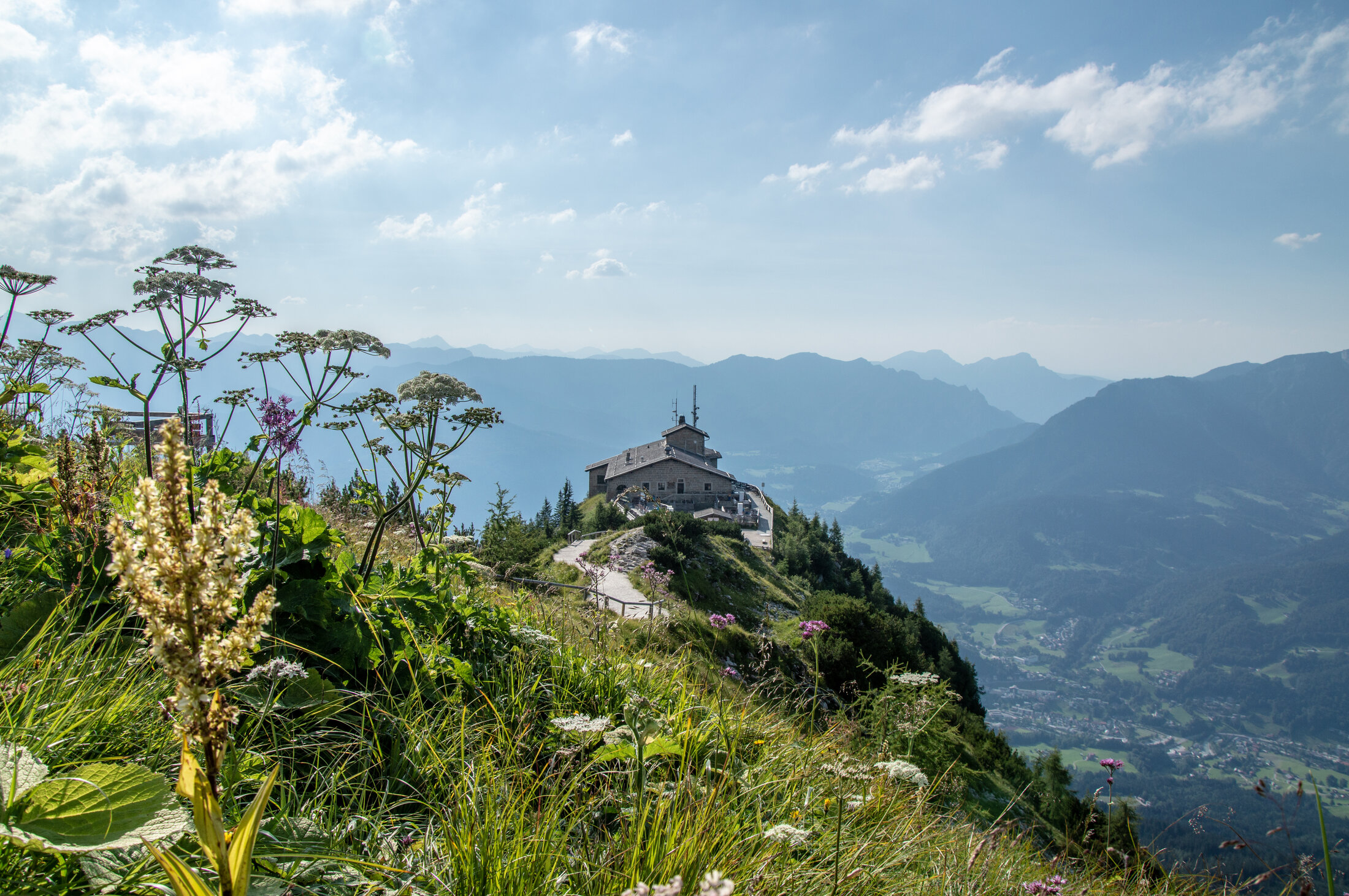
Eagle's Nest
Discover the Kehlsteinhaus in Berchtesgaden: From Hitlers Eagle's Nest to popular tourist attraction with panoramic views, elevator, and historical exhibition.
You might also be interested in


